What is a Bear Market?
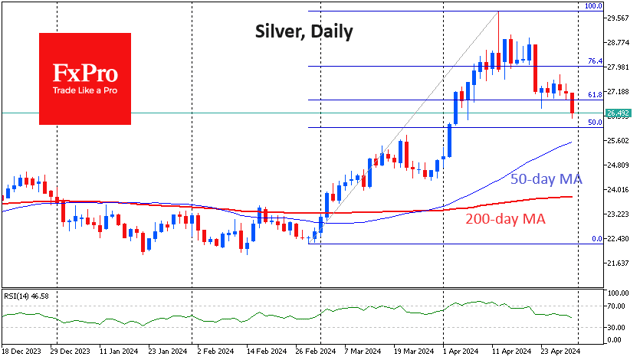
A bear market, also known as a bearish market, refers to a market state where financial asset prices are continuously declining. In a bear market, investors are generally pessimistic, anticipating further declines in the market. This increases downward pressure on the market, prolonging the period of declining asset prices and potentially coinciding with economic recession or downturns.
Causes of a Bear Market
The emergence of a bear market can be influenced by various economic, political, social, and psychological factors. Here are some potential causes:
- Economic Recession: Economic downturns can lead investors to adopt a pessimistic outlook on future prospects, triggering panic and sell-offs in financial markets.
- Inflation: Rapidly rising prices may prompt central banks to tighten monetary policy, increasing interest rates and financing costs, thereby raising investment risks and reducing investments in risky assets.
- Wars or Crises: Tense international situations or regional conflicts can lead to a negative economic outlook and deteriorating market sentiment, adversely affecting financial markets.
- Excessive Speculation: Excessive speculation in the market can drive prices away from their fundamentals, creating asset bubbles that, when burst, may lead to panic selling among investors.
- Negative News: Financial crises, corporate scandals, policy adjustments, poor performance, and downgraded profit expectations can induce panic and selling behavior among investors.
- Emotional Shifts: Changes in investor sentiment can impact investment strategies; a shift from optimism to pessimism may result in asset price declines.
Standards for a Bear Market
While standards for defining a bear market can vary across countries, regions, and markets, the following are commonly used benchmarks:
- Price Decline: Asset prices drop more than 20% from their highest point and this decline persists for more than two months.
- Moving Average Trend: Asset prices fall below a specific period's moving average, which shows a downward trend.
- Trading Volume Changes: Sustained shrinkage in the trading volume of certain assets or markets indicates a lack of confidence and vitality among market participants.
- Disappearance of Profitable Opportunities: The difficulty of profiting from certain assets or markets increases, with overall yields declining.
Characteristics of a Bear Market
A bear market is characterized by generally declining asset prices and low investor confidence. Here are its key characteristics:
- Continuous Price Decline: Asset prices tend to decline consistently in a bear market.
- Low Confidence: Investor confidence is low with pessimistic expectations for financial assets, markets, and the overall economy.
- Increased Trading Volume: Actions to reduce exposure to risky assets may lead to a noticeable increase in trading volume.
- Prevalence of Short-Selling: Investors commonly engage in short-selling strategies and buy back assets at lower prices to profit from the decline.
- Economic Recession or Downturn: A bear market often accompanies economic recession, downturns, poor corporate performance, and weakened market confidence.
- High Volatility: Asset prices experience significant fluctuations, and indices measuring market sentiment, such as the VIX, may soar.
- Appeal of Safe-Haven Assets: Safe-haven assets like gold and government bonds are typically in higher demand during a bear market.
- Long Duration: A bear market is not a temporary market adjustment but a prolonged period of overall market decline.
Investment Strategies for a Bear Market
Investors should adopt suitable strategies to hedge risks and seek investment opportunities during a bear market. Here are some common strategies:
- Diversification: Spread investments across different asset classes like stocks, bonds, and gold to reduce overall portfolio risk.
- Invest in Safe-Haven Assets: Allocate a portion of funds to assets that can withstand market volatility and retain or increase in value, such as gold, dollars, yen, Swiss francs, and government bonds.
- Short Selling: Use options, contracts for difference, and other tools to capitalize on investment opportunities during asset or market declines.
- Regular Fixed Investments: Take advantage of price declines by regularly purchasing high-quality assets at predetermined intervals and amounts, lowering investment costs and achieving long-term gains.