Rio Tinto's Profit Structure Undergoes Significant Transformation
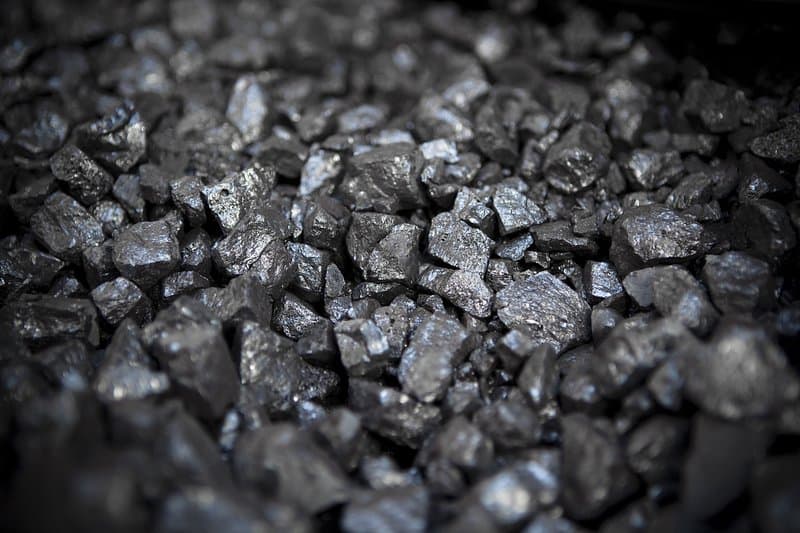
According to the latest report by Citigroup, mining giant Rio Tinto is experiencing structural changes in its profit model. By 2026, the contribution of its iron ore business to total EBITDA is expected to decrease to 48%, a significant drop from 81% in 2023. This indicates that iron ore will no longer be the company's sole profit pillar, with the rapid rise of its copper business driving diversification in its profits.
Analyst Ephraim Ravi notes that with the expected weakening of iron ore prices and the acceleration of the global green energy transition, Rio Tinto is shifting its business focus from traditional commodity dependency to a more forward-looking metal resource layout.
Copper Business Becomes New Growth Engine
The report emphasizes that Rio Tinto's copper segment is showing strong growth momentum and has become an important driver of the company's future profits. Ravi estimates that the profits from the copper business will grow by 7% in 2026 and another 5% in 2027, significantly increasing its share in overall profits over the next two years.
Currently, Rio Tinto is in the expansion phase at the Escondida mine in Chile and the Oyu Tolgoi mine in Peru, both of which are considered some of the world's most promising copper assets. With the surge in demand for copper due to the clean energy, electric vehicle, and energy storage industries, Rio Tinto is accelerating expansion and technology upgrades to consolidate its position in the global copper supply chain.
Industry insiders believe this strategic shift aligns with the global trend of reshaping energy structures. Copper is seen as the "energy transition metal," with demand expected to grow nearly 40% by 2030, while iron ore demand may reach a plateau.
Iron Ore Business Still Strategically Important
Despite a decrease in its profit share, Citigroup analysts point out that iron ore will remain one of Rio Tinto's core assets. Its high-grade ore production in Australia's Pilbara region is low-cost and highly competitive.
Currently, Rio Tinto is advancing the Simandou project in Guinea, regarded as the largest undeveloped iron ore reserve globally and considered an important strategic asset for the company over the next decade. Once operational, the project is expected to become a new support point in the global steel supply chain, ensuring a stable cash flow for Rio Tinto.
However, the report also notes that iron ore prices may continue to face pressure. Due to global manufacturing weakness, slowing Chinese steel demand, and supply-side expansion, Citigroup expects iron ore prices to average between $90 to $100 per ton during 2025 to 2026, below the average level of 2023.
Investors to Focus on Upcoming Briefing
Citigroup believes that the investor briefing on December 4 will be a key opportunity to observe Rio Tinto's strategic transformation progress. The company management is expected to detail its diversification layout, capital expenditures, and shareholder return plans.
Key market concerns include whether the expansion of the copper business will squeeze cash dividend space, how iron ore price fluctuations will affect capital allocation, and whether the company will further invest in lithium, nickel, and other new energy metals.
As of now, Citigroup maintains a "neutral" rating on Rio Tinto, noting that although the growth in the iron ore business has slowed, the overall profit structure is trending towards stability. Analyst Ravi points out: "From a risk perspective, Rio Tinto is gradually freeing itself from cyclical commodity price reliance and entering a more strategically balanced growth stage."