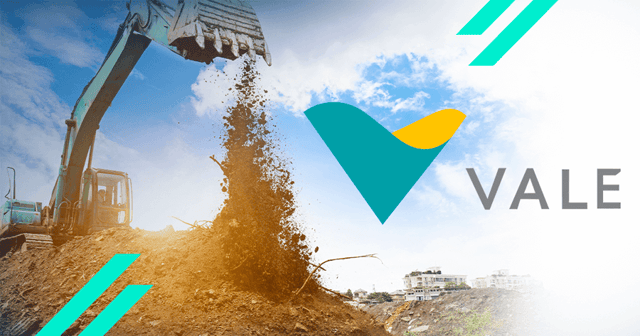
What is the Basic Materials Sector?
The Basic Materials Sector refers to the economic sector involved in producing and providing various essential raw materials. These materials are fundamental components necessary for manufacturing and constructing other products. This sector is a vital part of the economy, supporting a wide range of industrial and commercial activities.
The Basic Materials Sector encompasses several domains, including the following primary categories:
- Metals and Mining: Companies involved in mining, refining, and processing metal ores, including the production of iron ore, copper, aluminum, zinc, nickel, gold, silver, and other metals.
- Chemicals: Companies that produce and supply various chemical materials and products, including petrochemicals, plastics, fertilizers, paints, pigments, and specialty chemicals.
- Building Materials: Companies that produce and supply construction materials such as cement, steel, glass, bricks, and gypsum boards.
- Timber and Pulp: Companies involved in timber harvesting, processing, and pulp production, including the manufacture of timber, pulp, paper, and cardboard.
- Oil and Natural Gas: Companies involved in the exploration, extraction, production, and processing of oil and natural gas, including the extraction, refining, transportation, and distribution of petroleum and natural gas.
The development of the Basic Materials Sector is closely associated with economic activity. It provides essential raw materials for other industries such as manufacturing, construction, and energy. At the same time, this sector faces challenges such as global market demand, price volatility, environmental regulation, and technological innovation.
Characteristics of the Basic Materials Sector
The Basic Materials Sector has the following main characteristics:
- Raw Material Supply: This sector provides various raw materials, involving mining, refining, processing, and producing essential raw materials such as metals, chemicals, building materials, timber, and pulp. These raw materials form the foundation for other industries, used in manufacturing and construction.
- Cyclical Fluctuations: The sector typically exhibits strong cyclical volatility influenced by the global economy, industrial output, construction demand, and investment activities. During economic booms, the demand for basic materials increases, whereas during recessions, demand decreases, leading to overcapacity and price drops.
- Global Market: The sector operates in a global market where the demand and supply of raw materials interact and compete internationally. Global trade and globalization expose companies to competitors and market opportunities worldwide.
- Market Price Volatility: Product prices in this sector are usually highly volatile. Factors such as global supply-demand relationships, currency exchange rates, government policies, and geopolitical events can impact prices. Industry players must closely monitor market changes and adapt flexibly to price fluctuations.
- Bulk Transactions and Economies of Scale: The sector often involves bulk transactions and economies of scale. Producing and transporting large amounts of raw materials allows companies to achieve cost efficiencies through large-scale production and procurement. Transactions are often based on contracts and long-term supply relationships.
- Environmental and Sustainability Pressures: The sector faces environmental protection and sustainability pressures. The extraction, production, and processing of raw materials can impact the environment, including land degradation, water pollution, energy consumption, and waste generation. Companies need to comply with environmental regulations and sustainable operating practices while taking measures to minimize negative environmental impacts.
These characteristics make the Basic Materials Sector a crucial part of economic development, playing a key role in the global industrial chain. However, the sector’s volatility and environmental challenges require companies to maintain flexibility, innovation, and sustainability to adapt to continually changing market conditions and social expectations.
Roles of the Basic Materials Sector
The Basic Materials Sector plays an essential role in providing raw materials for other industries, driving economic growth, supporting infrastructure construction, creating job opportunities, and promoting innovation.
- Providing Raw Materials for Other Industries: It produces and supplies various essential raw materials, including metals, chemicals, building materials, timber, and pulp, which serve as the foundation for other industries. For instance, the construction industry requires cement, steel, and glass, while manufacturing needs metals and plastics.
- Driving Economic Growth: The development of this sector directly impacts overall economic growth by influencing GDP, employment, and economic expansion. Increased demand and capacity expansion in basic materials can drive the growth of related industries, fostering economic prosperity.
- Supporting Infrastructure Construction: The sector provides the necessary materials for infrastructure projects. Building materials such as cement, steel, and bricks are fundamental for constructing roads, bridges, buildings, and public facilities. The supply and quality of these materials are crucial for infrastructure reliability and durability.
- Creating Job Opportunities: As a labor-intensive industry, this sector generates numerous job opportunities. It involves mining, production, processing, and logistics, requiring various skills and labor. Sector growth and expansion can create more job opportunities, promoting employment and income growth.
- Promoting Innovation and Technological Development: The sector plays a significant role in innovation and technological advancement by driving the development and application of new materials, processes, and technologies to enhance product quality, energy efficiency, and environmental sustainability. Its innovation capacity and technological progress are critical for the overall economic competitiveness and sustainable development.
Notable Companies in the Basic Materials Sector
The Basic Materials Sector spans several fields, including chemicals, metals, building materials, and glass. The following are some notable companies in these areas:
- Sinopec: Sinopec is one of China's largest petrochemical companies, primarily engaged in the exploration, extraction, production, and sales of petroleum, natural gas, and petrochemical products.
- PetroChina: PetroChina is China's largest oil and gas producer, with activities encompassing exploration, extraction, refining, and sales.
- BASF: BASF is one of the world's largest chemical companies, mainly engaged in producing and selling chemicals, plastic products, pesticides, and more.
- 3M: 3M is a global diversified technology enterprise primarily involved in the research, manufacture, and sale of various basic materials, including tapes, abrasive materials, and industrial adhesives.
- Arkema: Arkema is a French chemical company focused on producing high-performance materials, including plastics, coatings, and adhesives.
- Dongfang Electric Corporation: This leading Chinese power equipment manufacturer mainly produces power generation equipment, transmission equipment, and control equipment.
- LafargeHolcim: As one of the world's largest cement and aggregates producers, LafargeHolcim is primarily involved in producing and selling cement, concrete, and aggregates.
- Baosteel Group: Baosteel Group is one of China's largest steel producers, primarily involved in producing and selling steel products.
- Nucor Corporation: Nucor is one of the largest steel producers in the United States, known for producing and selling high-quality steel products.